
Your account is almost ready! Please verify your email now to prevent losing account access.
Verify My Email
Biomedical Treatment for Autism, PANS & PANDAS

Easy-to-Understand FAQs for U.S. Parents

Biomedical and integrative care helps parents across the USA figure out why their child's autism, PANS, or PANDAS symptoms might be happening inside their body—not just how to manage the tough behaviors on the outside. This affects 1 in 36 kids with autism and thousands more with PANS/PANDAS each year. It's like being a detective for your child's body: we look for things like missing vitamins (that make them super tired), tummy troubles (that cause big meltdowns), hidden infections (that make them super anxious or OCD), or body-wide irritation (inflammation) that ramps up everything. The goal? Help your child feel calmer, sleep better, and handle daily life easier—without changing who they are. These FAQs are split into autism-only, PANS/PANDAS-only, and things they share so you can quickly find what fits your child. Everything comes from real science studies on gut health, immune system, nutrition, and brain science.
Fast Facts Conventional Vs. Biomedical Approach in Autism Care

Conventional Medical Model

Biomedical / Functional Model

Focuses on diagnosing disease, genetic syndromes, or acute medical conditions

Focuses on understanding how the body’s systems are functioning and interacting

Uses standard reference ranges to determine normal vs. abnormal

Interprets results using optimal ranges, patterns, and clinical context

Testing is designed to rule out serious pathology

Testing is designed to identify contributing physiologic imbalances

Commonly evaluates genetics, imaging, and basic labs

Evaluates immune function, inflammation, gut health, metabolic pathways, nutrient status, and environmental exposures

Often concludes labs are “normal” when no disease is identified

Recognizes subclinical dysfunction that may impact behavior and development

Symptom management often centers on behavioral therapies and medications

Treatment aims to address underlying contributors while supporting therapies

Insurance-based and typically covered by standard plans

Many tests and treatments are considered non-standard and may not be covered

Short, episodic visits focused on diagnosis and management

Longer, comprehensive visits focused on history, patterns, and root causes

Diagnosis-driven care

Individualized, systems-based care

Essential for safety, diagnosis, and acute medical needs

Designed to complement conventional care, not replace it

This content is provided for educational and informational purposes only and is not intended to replace professional medical advice, diagnosis, or treatment. Always seek the advice of a qualified healthcare provider with any questions regarding a medical condition.

These focus on the body imbalances we see a lot in kids with autism spectrum disorder.

What exactly is biomedical treatment for autism?
Diagnosis & Assessment
Diagnostic
A.

Imagine your child's body is like a car engine. Sometimes the engine runs rough not because of the steering wheel (behaviors), but because it's missing oil (vitamins), has clogged filters (gut problems), or rusty parts (inflammation). Biomedical treatment checks for these inside issues—like low vitamins that make them cranky, tummy bacteria out of whack causing belly pain and bad moods, or extra stress chemicals harming brain cells—and fixes them with tests and simple changes. This works with regular therapies like ABA (learning through play and rewards) or OT (helping with daily skills) but makes them work better because your child isn't fighting pain or tiredness anymore.
Related Article

Parenting a child with autism spectrum disorder (ASD) takes incredible strength. You manage therapies, daily routines, and endless challenges, often feeling worn out while holding onto hope for better days.
Learn everything you need to know in our full article
A.

Imagine your child's body is like a car engine. Sometimes the engine runs rough not because of the steering wheel (behaviors), but because it's missing oil (vitamins), has clogged filters (gut problems), or rusty parts (inflammation). Biomedical treatment checks for these inside issues—like low vitamins that make them cranky, tummy bacteria out of whack causing belly pain and bad moods, or extra stress chemicals harming brain cells—and fixes them with tests and simple changes. This works with regular therapies like ABA (learning through play and rewards) or OT (helping with daily skills) but makes them work better because your child isn't fighting pain or tiredness anymore.

Related Article

Parenting a child with autism spectrum disorder (ASD) takes incredible strength. You manage therapies, daily routines, and endless challenges, often feeling worn out while holding onto hope for better days.
Learn everything you need to know in our full article
A.

Imagine your child's body is like a car engine. Sometimes the engine runs rough not because of the steering wheel (behaviors), but because it's missing oil (vitamins), has clogged filters (gut problems), or rusty parts (inflammation). Biomedical treatment checks for these inside issues—like low vitamins that make them cranky, tummy bacteria out of whack causing belly pain and bad moods, or extra stress chemicals harming brain cells—and fixes them with tests and simple changes. This works with regular therapies like ABA (learning through play and rewards) or OT (helping with daily skills) but makes them work better because your child isn't fighting pain or tiredness anymore.

For kids who suddenly act very different after a cold or strep.

What is PANS?
Diagnosis & Assessment
Diagnostic
A.

PANS means your child's brain gets "attacked" by their own immune system after a germ, causing overnight changes: non-stop worries (OCD), huge rages (like flipping a switch), twitches (tics), forgetting old skills, peeing pants again, or refusing all food.

Related Article

Imagine tucking your child into bed after a fun day at the park, only to wake up to a completely different child the next morning—one gripped by fears of shadows on the wall, unable to stop repeating phrases from a cartoon, or suddenly afraid to step on carpet patterns they once loved.
Learn everything you need to know in our full article
A.

PANS means your child's brain gets "attacked" by their own immune system after a germ, causing overnight changes: non-stop worries (OCD), huge rages (like flipping a switch), twitches (tics), forgetting old skills, peeing pants again, or refusing all food.

Related Article

Imagine tucking your child into bed after a fun day at the park, only to wake up to a completely different child the next morning—one gripped by fears of shadows on the wall, unable to stop repeating phrases from a cartoon, or suddenly afraid to step on carpet patterns they once loved.
Learn everything you need to know in our full article
A.

PANS means your child's brain gets "attacked" by their own immune system after a germ, causing overnight changes: non-stop worries (OCD), huge rages (like flipping a switch), twitches (tics), forgetting old skills, peeing pants again, or refusing all food.

How does the immune system mess things up?
Diagnosis & Assessment
Diagnostic
A.

Autism kids sometimes have extra "alert" chemicals (cytokines); PANS is full immune storm on brain. Tummy germs stir both.
Related Article

Raising a child with autism, PANS, or PANDAS means facing daily challenges that weigh heavily on your heart. You see your child struggle with intense reactions to everyday things, like the sound of a vacuum cleaner or a change in their dinner plate.
Learn everything you need to know in our full article
A.

Autism kids sometimes have extra "alert" chemicals (cytokines); PANS is full immune storm on brain. Tummy germs stir both.

Related Article

Raising a child with autism, PANS, or PANDAS means facing daily challenges that weigh heavily on your heart. You see your child struggle with intense reactions to everyday things, like the sound of a vacuum cleaner or a change in their dinner plate.
Learn everything you need to know in our full article
A.

Autism kids sometimes have extra "alert" chemicals (cytokines); PANS is full immune storm on brain. Tummy germs stir both.

Is this safe for kids?
Diagnosis & Assessment
Diagnostic
A.

Super safe with a real doctor watching fixing low vitamin D or germs is normal kid medicine. Watch for tummy upset from pills or germ resistance (rare if done right).

Related Article

Parents of children with autism, PANS, or PANDAS often lie awake wondering if trying something new like biomedical treatment will harm their little one.
Learn everything you need to know in our full article
A.

Super safe with a real doctor watching fixing low vitamin D or germs is normal kid medicine. Watch for tummy upset from pills or germ resistance (rare if done right).

Related Article

Parents of children with autism, PANS, or PANDAS often lie awake wondering if trying something new like biomedical treatment will harm their little one.
Learn everything you need to know in our full article
A.

Super safe with a real doctor watching fixing low vitamin D or germs is normal kid medicine. Watch for tummy upset from pills or germ resistance (rare if done right).

What do I do as mom/dad?
Diagnosis & Assessment
Diagnostic
A.

Keep a notebook: what they ate, slept, acted like, any sickness. It shows doctors patterns, like "meltdowns after dairy."
Related Article

Being a mom or dad to a child with autism, PANS, or PANDAS means carrying a heavy load of love mixed with worry.
Learn everything you need to know in our full article
A.

Keep a notebook: what they ate, slept, acted like, any sickness. It shows doctors patterns, like "meltdowns after dairy."

Related Article

Being a mom or dad to a child with autism, PANS, or PANDAS means carrying a heavy load of love mixed with worry.
Learn everything you need to know in our full article
A.

Keep a notebook: what they ate, slept, acted like, any sickness. It shows doctors patterns, like "meltdowns after dairy."

These focus on the body imbalances we see a lot in kids with autism spectrum disorder.

How is this different from the usual autism care doctors recommend?
Diagnostic
Diagnosis & Assessment
A.

Most doctors follow CDC rules and focus on therapies to help behaviors—like ABA to teach social skills or meds for super high energy or disruptive behaviors... That's great, but it skips checking the body. A biomedical approach adds blood tests, stool analysis, organic acid testing, etc. for things like missing iron (which makes kids act "hyper" because they're exhausted) or gut leaks (that let bad stuff irritate the brain). We see these in 7-9 out of 10 autism kids!

Related Article

You watch your child with autism spectrum disorder (ASD) struggle through therapy sessions, fighting invisible battles that leave everyone exhausted. Standard care often focuses narrowly on behaviors, but many children stall out, unable to advance because underlying physical issues—like constant tummy pain or low energy—block progress.
Learn everything you need to know in our full article
A.

Most doctors follow CDC rules and focus on therapies to help behaviors—like ABA to teach social skills or meds for super high energy or disruptive behaviors... That's great, but it skips checking the body. A biomedical approach adds blood tests, stool analysis, organic acid testing, etc. for things like missing iron (which makes kids act "hyper" because they're exhausted) or gut leaks (that let bad stuff irritate the brain). We see these in 7-9 out of 10 autism kids!

Related Article

You watch your child with autism spectrum disorder (ASD) struggle through therapy sessions, fighting invisible battles that leave everyone exhausted. Standard care often focuses narrowly on behaviors, but many children stall out, unable to advance because underlying physical issues—like constant tummy pain or low energy—block progress.
Learn everything you need to know in our full article
A.

Most doctors follow CDC rules and focus on therapies to help behaviors—like ABA to teach social skills or meds for super high energy or disruptive behaviors... That's great, but it skips checking the body. A biomedical approach adds blood tests, stool analysis, organic acid testing, etc. for things like missing iron (which makes kids act "hyper" because they're exhausted) or gut leaks (that let bad stuff irritate the brain). We see these in 7-9 out of 10 autism kids!

For kids who suddenly act very different after a cold or strep.

What is PANDAS?
Diagnosis & Assessment
Diagnostic
A.

Same as PANS but kicked off by strep throat germs. The body makes "soldier" antibodies that mix up and poke the brain's movement/feelings area, like friendly fire.

Related Article

As a parent, few things feel more alarming than watching your child change overnight after what seems like a simple sore throat or cold.
Learn everything you need to know in our full article
A.

Same as PANS but kicked off by strep throat germs. The body makes "soldier" antibodies that mix up and poke the brain's movement/feelings area, like friendly fire.

Related Article

As a parent, few things feel more alarming than watching your child change overnight after what seems like a simple sore throat or cold.
Learn everything you need to know in our full article
A.

Same as PANS but kicked off by strep throat germs. The body makes "soldier" antibodies that mix up and poke the brain's movement/feelings area, like friendly fire.

Where to find doctors anywhere in USA?
Diagnosis & Assessment
Diagnostic
A.

Related Article

Finding the right doctor for your child with autism, PANS, or PANDAS can feel like searching for a needle in a haystack, especially when you're in a small town or facing long waitlists.
Learn everything you need to know in our full article
A.

Related Article

Finding the right doctor for your child with autism, PANS, or PANDAS can feel like searching for a needle in a haystack, especially when you're in a small town or facing long waitlists.
Learn everything you need to know in our full article
A.

Gut germ fixes for both?
Diagnosis & Assessment
Diagnostic
A.

Good bacteria pills (probiotics) ease belly pain + calm behaviors in studies; must after antibiotics for PANS.
Related Article

Your child winces through meals, runs to the bathroom mid-Applied Behavior Analysis (ABA) session, or clutches their stomach during nighttime meltdowns.
Learn everything you need to know in our full article
A.

Good bacteria pills (probiotics) ease belly pain + calm behaviors in studies; must after antibiotics for PANS.
Related Article

Your child winces through meals, runs to the bathroom mid-Applied Behavior Analysis (ABA) session, or clutches their stomach during nighttime meltdowns.
Learn everything you need to know in our full article
A.

Good bacteria pills (probiotics) ease belly pain + calm behaviors in studies; must after antibiotics for PANS.

When will we see changes?
Diagnosis & Assessment
Diagnostic
A.
  • PANS germ kill days to weeks (like turning off a fire alarm)
  • Vitamin boosts: 1-3 months (steady energy build)
  • Tummy fixes: 3-6 months (germs die slow)

Related Article

You stare at the calendar marking another therapy session with minimal gains, wondering if today's blood test results or new probiotic bottle will ever deliver the peaceful family dinners you crave.
Learn everything you need to know in our full article
A.
  • PANS germ kill days to weeks (like turning off a fire alarm)
  • Vitamin boosts: 1-3 months (steady energy build)
  • Tummy fixes: 3-6 months (germs die slow)

Related Article

You stare at the calendar marking another therapy session with minimal gains, wondering if today's blood test results or new probiotic bottle will ever deliver the peaceful family dinners you crave.
Learn everything you need to know in our full article
A.
  • PANS germ kill days to weeks (like turning off a fire alarm)
  • Vitamin boosts: 1-3 months (steady energy build)
  • Tummy fixes: 3-6 months (germs die slow)

These focus on the body imbalances we see a lot in kids with autism spectrum disorder.

Why bother with "root causes" if therapy is already kind of working?
Diagnosis & Assessment
Diagnostic
A.

Picture trying to teach a kid piano while they're starving or have a bad headache—they can't focus! If your child's meltdowns come from tummy pain, no sleep from low vitamins, or foggy thinking from inflammation, therapy feels like pushing a boulder uphill. Fix the body first (like giving the right fuel), and behaviors often calm down, making every therapy session count more.

Related Article

Your child picks up a few skills in Applied Behavior Analysis (ABA) sessions, like stacking blocks or waiting a moment longer for a turn. These moments spark joy, but weeks later progress flattens—repetitions yield the same limited results.
Learn everything you need to know in our full article
A.

Picture trying to teach a kid piano while they're starving or have a bad headache—they can't focus! If your child's meltdowns come from tummy pain, no sleep from low vitamins, or foggy thinking from inflammation, therapy feels like pushing a boulder uphill. Fix the body first (like giving the right fuel), and behaviors often calm down, making every therapy session count more.
Related Article

Your child picks up a few skills in Applied Behavior Analysis (ABA) sessions, like stacking blocks or waiting a moment longer for a turn. These moments spark joy, but weeks later progress flattens—repetitions yield the same limited results.
Learn everything you need to know in our full article
A.

Picture trying to teach a kid piano while they're starving or have a bad headache—they can't focus! If your child's meltdowns come from tummy pain, no sleep from low vitamins, or foggy thinking from inflammation, therapy feels like pushing a boulder uphill. Fix the body first (like giving the right fuel), and behaviors often calm down, making every therapy session count more.

For kids who suddenly act very different after a cold or strep.

Fast Facts: Quick symptom list for PANS/PANDAS
Diagnosis & Assessment
Diagnostic
A.
  • Worries or rituals that start suddenly
  • Rage fits or acting like a different kid
  • New twitches or shaky hands
  • Losing words or potty skills
  • Can't sleep, pees a lot, skips meals

Related Article

Noticing sudden changes in your child's behavior after a cold or sore throat can leave you searching for answers and ways to help. These changes might include new repetitive worries, shaky movements, sleep problems, or eating struggles that weren't there before.
Learn everything you need to know in our full article
A.
  • Worries or rituals that start suddenly
  • Rage fits or acting like a different kid
  • New twitches or shaky hands
  • Losing words or potty skills
  • Can't sleep, pees a lot, skips meals

Related Article

Noticing sudden changes in your child's behavior after a cold or sore throat can leave you searching for answers and ways to help. These changes might include new repetitive worries, shaky movements, sleep problems, or eating struggles that weren't there before.
Learn everything you need to know in our full article
A.
  • Worries or rituals that start suddenly
  • Rage fits or acting like a different kid
  • New twitches or shaky hands
  • Losing words or potty skills
  • Can't sleep, pees a lot, skips meals

Fast Facts: Questions for your first doctor visit
Diagnosis & Assessment
Diagnostic
A.
  1. How do you hunt my kid's body "whys"?
  2. What tests first and why?
  3. When medications vs. vitamins and/or food changes?
  4. How to measure if it's helping?

Related Article

Walking into a doctor's office with your child who has autism—or sudden changes from PANS or PANDAS—can feel overwhelming.
Learn everything you need to know in our full article
A.
  1. How do you hunt my kid's body "whys"?
  2. What tests first and why?
  3. When medications vs. vitamins and/or food changes?
  4. How to measure if it's helping?

Related Article

Walking into a doctor's office with your child who has autism—or sudden changes from PANS or PANDAS—can feel overwhelming.
Learn everything you need to know in our full article
A.
  1. How do you hunt my kid's body "whys"?
  2. What tests first and why?
  3. When medications vs. vitamins and/or food changes?
  4. How to measure if it's helping?

Does it go with ABA, speech, or OT?
Diagnosis & Assessment
Diagnostic
A.

Perfect match! Fix body pain first, then therapy clicks better—like practicing soccer without blisters.

Related Article

Picture your child hobbling through soccer practice with painful blisters—no matter how much the coach drills footwork, skills stall until feet heal. Similarly, tummy pain, low energy, or inflammation create invisible barriers blocking Applied Behavior Analysis (ABA), speech therapy, and occupational therapy (OT) progress.
Learn everything you need to know in our full article
A.

Perfect match! Fix body pain first, then therapy clicks better—like practicing soccer without blisters.

Related Article

Picture your child hobbling through soccer practice with painful blisters—no matter how much the coach drills footwork, skills stall until feet heal. Similarly, tummy pain, low energy, or inflammation create invisible barriers blocking Applied Behavior Analysis (ABA), speech therapy, and occupational therapy (OT) progress.
Learn everything you need to know in our full article
A.

Perfect match! Fix body pain first, then therapy clicks better—like practicing soccer without blisters.

These focus on the body imbalances we see a lot in kids with autism spectrum disorder.

What blood tests should we ask for first in autism?
Diagnosis & Assessment
Diagnostic
A.

Doctors start with simple blood draws (like a quick finger prick or arm poke) to check common problems we can easily fix. These show up wrong in most autism kids and explain why they might be extra fussy or tired:
Easy Blood Test Name

What It Checks (Simple Terms)

How Common in Autism Kids

CBC (Complete Blood Count)

If they're low on energy cells (anemia) or fighting hidden bugs

Wrong in 2-3 out of 10 kids

CMP (Metabolic Panel)

Kidneys, liver, sugar levels—like a body "check engine" light

Basic health scan

Vitamin D

Sunshine vitamin for happy moods and strong immunity

Low in 8-9 out of 10!

B12, Folate, B6 Vitamins

Brain fuel for calm feelings (makes serotonin, the "happy chemical")

Low in 7-9 out of 10

Iron Panel (ask for ferritin!)

Oxygen delivery—low means tired and cranky all day

Low in 4-6 out of 10

Zinc, Magnesium, Selenium

Body cleaners and nerve helpers—like rust-proofing the brain

Missing in 5-7 out of 10

Related Article

You notice your child with autism spectrum disorder (ASD) seems extra fussy, tired, or unable to settle, even after good therapy days. These struggles often come from simple body imbalances that blood tests can spot quickly. Research finds these issues in most children with autism, explaining crankiness from low energy or poor sleep. Starting with basic blood draws helps doctors see fixable problems like missing nutrients or infection signs. A quick finger prick or arm poke gives clear answers. Parents see real changes after addressing results—calmer moods, better focus in Applied Behavior Analysis (ABA) sessions, restful nights.
Learn everything you need to know in our full article
A.

Doctors start with simple blood draws (like a quick finger prick or arm poke) to check common problems we can easily fix. These show up wrong in most autism kids and explain why they might be extra fussy or tired:

Easy Blood Test Name

What It Checks (Simple Terms)

How Common in Autism Kids

CBC (Complete Blood Count)

If they're low on energy cells (anemia) or fighting hidden bugs

Wrong in 2-3 out of 10 kids

CMP (Metabolic Panel)

Kidneys, liver, sugar levels—like a body "check engine" light

Basic health scan

Vitamin D

Sunshine vitamin for happy moods and strong immunity

Low in 8-9 out of 10!

B12, Folate, B6 Vitamins

Brain fuel for calm feelings (makes serotonin, the "happy chemical")

Low in 7-9 out of 10

Iron Panel (ask for ferritin!)

Oxygen delivery—low means tired and cranky all day

Low in 4-6 out of 10

Zinc, Magnesium, Selenium

Body cleaners and nerve helpers—like rust-proofing the brain

Missing in 5-7 out of 10

Related Article

You notice your child with autism spectrum disorder (ASD) seems extra fussy, tired, or unable to settle, even after good therapy days. These struggles often come from simple body imbalances that blood tests can spot quickly. Research finds these issues in most children with autism, explaining crankiness from low energy or poor sleep. Starting with basic blood draws helps doctors see fixable problems like missing nutrients or infection signs. A quick finger prick or arm poke gives clear answers. Parents see real changes after addressing results—calmer moods, better focus in Applied Behavior Analysis (ABA) sessions, restful nights.
Learn everything you need to know in our full article
A.

Doctors start with simple blood draws (like a quick finger prick or arm poke) to check common problems we can easily fix. These show up wrong in most autism kids and explain why they might be extra fussy or tired:

Easy Blood Test Name

What It Checks (Simple Terms)

How Common in Autism Kids

CBC (Complete Blood Count)

If they're low on energy cells (anemia) or fighting hidden bugs

Wrong in 2-3 out of 10 kids

CMP (Metabolic Panel)

Kidneys, liver, sugar levels—like a body "check engine" light

Basic health scan

Vitamin D

Sunshine vitamin for happy moods and strong immunity

Low in 8-9 out of 10!

B12, Folate, B6 Vitamins

Brain fuel for calm feelings (makes serotonin, the "happy chemical")

Low in 7-9 out of 10

Iron Panel (ask for ferritin!)

Oxygen delivery—low means tired and cranky all day

Low in 4-6 out of 10

Zinc, Magnesium, Selenium

Body cleaners and nerve helpers—like rust-proofing the brain

Missing in 5-7 out of 10

For kids who suddenly act very different after a cold or strep.

Can my autistic child also get PANS/PANDAS?
Diagnosis & Assessment
Diagnostic
A.

Totally—autism kids often have touchy immune systems, so a bug can trigger PANS looking like "worse autism" overnight, like losing talking skills after a fever.

Related Article

Parenting a child with autism already brings unique daily challenges, and discovering they might also have PANS or PANDAS can feel overwhelming...
Learn everything you need to know in our full article
A.

Totally—autism kids often have touchy immune systems, so a bug can trigger PANS looking like "worse autism" overnight, like losing talking skills after a fever.

Related Article

Parenting a child with autism already brings unique daily challenges, and discovering they might also have PANS or PANDAS can feel overwhelming...
Learn everything you need to know in our full article
A.

Totally—autism kids often have touchy immune systems, so a bug can trigger PANS looking like "worse autism" overnight, like losing talking skills after a fever.

Fast Facts: Money/insurance truth
Diagnosis & Assessment
Diagnostic
A.

Many blood tests/meds paid by insurance (use autism code F84.0 or PANDAS D89.89); Supplements average an extra $200-500/month. Additional test such as comprehensive stool analysis or organic oat testing may cost $250-500. Unfortunately, most commercial insurance companies do not find value in testing for root cause issues that contribute to these conditions. Finding a trained clinician to guide you through testing is most beneficial.
Related Article

Managing costs for your child's autism care can feel like balancing a tightrope, especially when balancing therapies that build skills with tests that check body health. You celebrate progress in play-based learning sessions where your child learns to sort shapes by color, but wonder how to afford the blood work that revealed low energy markers or the follow-up visits to track improvements.
Learn everything you need to know in our full article
A.

Many blood tests/meds paid by insurance (use autism code F84.0 or PANDAS D89.89); Supplements average an extra $200-500/month. Additional test such as comprehensive stool analysis or organic oat testing may cost $250-500. Unfortunately, most commercial insurance companies do not find value in testing for root cause issues that contribute to these conditions. Finding a trained clinician to guide you through testing is most beneficial.

Related Article

Managing costs for your child's autism care can feel like balancing a tightrope, especially when balancing therapies that build skills with tests that check body health. You celebrate progress in play-based learning sessions where your child learns to sort shapes by color, but wonder how to afford the blood work that revealed low energy markers or the follow-up visits to track improvements.
Learn everything you need to know in our full article
A.

Many blood tests/meds paid by insurance (use autism code F84.0 or PANDAS D89.89); Supplements average an extra $200-500/month. Additional test such as comprehensive stool analysis or organic oat testing may cost $250-500. Unfortunately, most commercial insurance companies do not find value in testing for root cause issues that contribute to these conditions. Finding a trained clinician to guide you through testing is most beneficial.

Fast Facts: Just Behavior Therapy Vs Body Fixes + Therapy
Diagnosis & Assessment
Diagnostic
A.

Just Behavior Therapy

Body Fixes + Therapy

Handles outside stuff

Clears inside blocks

Years of sessions

20-50% better in months

No body checks

Science-backed tests

A.

Just Behavior Therapy

Body Fixes + Therapy

Handles outside stuff

Clears inside blocks

Years of sessions

20-50% better in months

No body checks

Science-backed tests

A.

Just Behavior Therapy

Body Fixes + Therapy

Handles outside stuff

Clears inside blocks

Years of sessions

20-50% better in months

No body checks

Science-backed tests

These focus on the body imbalances we see a lot in kids with autism spectrum disorder.

When do we check the tummy (gut) in autism?
Diagnosis & Assessment
Diagnostic
A.

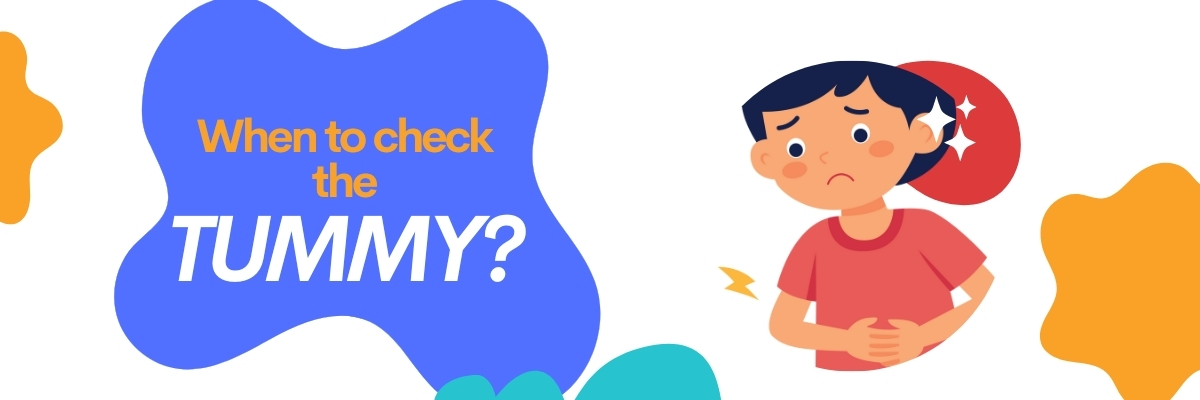
If your child has ongoing poop problems (hard, loose, or hurts), won't eat certain foods, or seems in belly pain: get a stool test for inflammation (calprotectin—like a fire alarm in the gut), digestion power (elastase), and bad germs. Tummy troubles hit 8 out of 10 autism kids and send "irritated" messages straight to the brain, making behaviors worse.
Related Article

Your child grimaces at mealtime, clutching their stomach or straining on the toilet every day. These tummy troubles make Applied Behavior Analysis (ABA) sessions impossible—compliance drops from meltdowns before rewards even start.
Learn everything you need to know in our full article
A.

If your child has ongoing poop problems (hard, loose, or hurts), won't eat certain foods, or seems in belly pain: get a stool test for inflammation (calprotectin—like a fire alarm in the gut), digestion power (elastase), and bad germs. Tummy troubles hit 8 out of 10 autism kids and send "irritated" messages straight to the brain, making behaviors worse.

Related Article

Your child grimaces at mealtime, clutching their stomach or straining on the toilet every day. These tummy troubles make Applied Behavior Analysis (ABA) sessions impossible—compliance drops from meltdowns before rewards even start.
Learn everything you need to know in our full article
A.

If your child has ongoing poop problems (hard, loose, or hurts), won't eat certain foods, or seems in belly pain: get a stool test for inflammation (calprotectin—like a fire alarm in the gut), digestion power (elastase), and bad germs. Tummy troubles hit 8 out of 10 autism kids and send "irritated" messages straight to the brain, making behaviors worse.

For kids who suddenly act very different after a cold or strep.

First tests for PANS/PANDAS?
Diagnosis & Assessment
Diagnostic
A.

Throat swab + strep blood markers (ASO/anti-DNase B), swelling check (CRP/ESR like fever without heat), pee test (for brain-nerve mix-ups).
Top PANS Tests

What It Finds

What Happens If Positive

Strep check/swab

Germ starter

7/10 kids better fast on antibiotics

CRP/ESR

Body swelling

Leads to stronger meds like IVIG

Pee test

Nerve issues

Sign of active flare

Other germs (Mycoplasma, EBV, other viruses, environmental toxins)

Sneaky triggers

Fixes 3/10 tough cases

Related Article

Seeing your child change overnight after a simple cold or sore throat can be one of the most confusing and upsetting experiences as a parent. One week they are playing happily, the next they develop sudden worries that make them check the door lock over and over, jerky movements like blinking their eyes repeatedly, trouble sleeping through the night, or even accidents after being potty trained for years.
Learn everything you need to know in our full article
A.

Throat swab + strep blood markers (ASO/anti-DNase B), swelling check (CRP/ESR like fever without heat), pee test (for brain-nerve mix-ups).
Top PANS Tests

What It Finds

What Happens If Positive

Strep check/swab

Germ starter

7/10 kids better fast on antibiotics

CRP/ESR

Body swelling

Leads to stronger meds like IVIG

Pee test

Nerve issues

Sign of active flare

Other germs (Mycoplasma, EBV, other viruses, environmental toxins)

Sneaky triggers

Fixes 3/10 tough cases

Related Article

Seeing your child change overnight after a simple cold or sore throat can be one of the most confusing and upsetting experiences as a parent. One week they are playing happily, the next they develop sudden worries that make them check the door lock over and over, jerky movements like blinking their eyes repeatedly, trouble sleeping through the night, or even accidents after being potty trained for years.
Learn everything you need to know in our full article
A.

Throat swab + strep blood markers (ASO/anti-DNase B), swelling check (CRP/ESR like fever without heat), pee test (for brain-nerve mix-ups).

Top PANS Tests

What It Finds

What Happens If Positive

Strep check/swab

Germ starter

7/10 kids better fast on antibiotics

CRP/ESR

Body swelling

Leads to stronger meds like IVIG

Pee test

Nerve issues

Sign of active flare

Other germs (Mycoplasma, EBV, other viruses, environmental toxins)

Sneaky triggers

Fixes 3/10 tough cases

Fast Facts: Conventional vs. Biomedical Approach in Autism Care
Diagnosis & Assessment
Diagnostic
A.

Conventional Medical Model

Biomedical / Functional Model

Focuses on diagnosing disease, genetic syndromes, or acute medical conditions

Focuses on understanding how the body’s systems are functioning and interacting

Uses standard reference ranges to determine normal vs. abnormal

Interprets results using optimal ranges, patterns, and clinical context

Testing is designed to rule out serious pathology

Testing is designed to identify contributing physiologic imbalances

Commonly evaluates genetics, imaging, and basic labs

Evaluates immune function, inflammation, gut health, metabolic pathways, nutrient status, and environmental exposures

Often concludes labs are “normal” when no disease is identified

Recognizes subclinical dysfunction that may impact behavior and development

Symptom management often centers on behavioral therapies and medications

Treatment aims to address underlying contributors while supporting therapies

Insurance-based and typically covered by standard plans

Many tests and treatments are considered non-standard and may not be covered

Short, episodic visits focused on diagnosis and management

Longer, comprehensive visits focused on history, patterns, and root causes

Diagnosis-driven care

Individualized, systems-based care

Essential for safety, diagnosis, and acute medical needs

Designed to complement conventional care, not replace it

Related Article

Every parent of a child with autism knows the weight of those daily struggles—the unexpected meltdowns that disrupt family meals, the battles over food textures that turn dinner into a war zone, the exhaustion from nights filled with restless tossing and turning. You pour your heart into finding answers, wondering if there’s more you can do to help your child not just cope, but truly thrive. Conventional care provides essential support through therapies that build skills and manage behaviors, forming the foundation many families rely on. The biomedical approach complements this by exploring the body’s internal systems, such as nutrition levels, gut function, and immune responses, to address underlying factors that might intensify those challenges. When used together under professional guidance, these methods offer families a path toward calmer days, better focus during therapies, and moments of genuine connection with your child. This article breaks it all down in plain language, anticipates the questions keeping you awake at night, and shares encouraging stories from other parents to light the way forward.
Learn everything you need to know in our full article
A.

Conventional Medical Model

Biomedical / Functional Model

Focuses on diagnosing disease, genetic syndromes, or acute medical conditions

Focuses on understanding how the body’s systems are functioning and interacting

Uses standard reference ranges to determine normal vs. abnormal

Interprets results using optimal ranges, patterns, and clinical context

Testing is designed to rule out serious pathology

Testing is designed to identify contributing physiologic imbalances

Commonly evaluates genetics, imaging, and basic labs

Evaluates immune function, inflammation, gut health, metabolic pathways, nutrient status, and environmental exposures

Often concludes labs are “normal” when no disease is identified

Recognizes subclinical dysfunction that may impact behavior and development

Symptom management often centers on behavioral therapies and medications

Treatment aims to address underlying contributors while supporting therapies

Insurance-based and typically covered by standard plans

Many tests and treatments are considered non-standard and may not be covered

Short, episodic visits focused on diagnosis and management

Longer, comprehensive visits focused on history, patterns, and root causes

Diagnosis-driven care

Individualized, systems-based care

Essential for safety, diagnosis, and acute medical needs

Designed to complement conventional care, not replace it

Related Article

Every parent of a child with autism knows the weight of those daily struggles—the unexpected meltdowns that disrupt family meals, the battles over food textures that turn dinner into a war zone, the exhaustion from nights filled with restless tossing and turning. You pour your heart into finding answers, wondering if there’s more you can do to help your child not just cope, but truly thrive. Conventional care provides essential support through therapies that build skills and manage behaviors, forming the foundation many families rely on. The biomedical approach complements this by exploring the body’s internal systems, such as nutrition levels, gut function, and immune responses, to address underlying factors that might intensify those challenges. When used together under professional guidance, these methods offer families a path toward calmer days, better focus during therapies, and moments of genuine connection with your child. This article breaks it all down in plain language, anticipates the questions keeping you awake at night, and shares encouraging stories from other parents to light the way forward.
Learn everything you need to know in our full article
A.

Conventional Medical Model

Biomedical / Functional Model

Focuses on diagnosing disease, genetic syndromes, or acute medical conditions

Focuses on understanding how the body’s systems are functioning and interacting

Uses standard reference ranges to determine normal vs. abnormal

Interprets results using optimal ranges, patterns, and clinical context

Testing is designed to rule out serious pathology

Testing is designed to identify contributing physiologic imbalances

Commonly evaluates genetics, imaging, and basic labs

Evaluates immune function, inflammation, gut health, metabolic pathways, nutrient status, and environmental exposures

Often concludes labs are “normal” when no disease is identified

Recognizes subclinical dysfunction that may impact behavior and development

Symptom management often centers on behavioral therapies and medications

Treatment aims to address underlying contributors while supporting therapies

Insurance-based and typically covered by standard plans

Many tests and treatments are considered non-standard and may not be covered

Short, episodic visits focused on diagnosis and management

Longer, comprehensive visits focused on history, patterns, and root causes

Diagnosis-driven care

Individualized, systems-based care

Essential for safety, diagnosis, and acute medical needs

Designed to complement conventional care, not replace it

These focus on the body imbalances we see a lot in kids with autism spectrum disorder.

What about energy (mitochondrial) tests for autism?
Diagnosis & Assessment
Diagnostic
A.

If your child crashes after play, has big skill setbacks, seems wired but tired or never wants to move: test carnitine, CoQ10, lactate. These check if their cells make energy like a weak battery—happens in 1-2 out of 10 autism kids.
Related Article

Imagine chasing your energetic 5-year-old around the park for 20 minutes, only to watch them collapse in tears, refusing to move for hours. By dinner, they bounce wildly again—wired but clearly exhausted.
Learn everything you need to know in our full article
A.

If your child crashes after play, has big skill setbacks, seems wired but tired or never wants to move: test carnitine, CoQ10, lactate. These check if their cells make energy like a weak battery—happens in 1-2 out of 10 autism kids.

Related Article

Imagine chasing your energetic 5-year-old around the park for 20 minutes, only to watch them collapse in tears, refusing to move for hours. By dinner, they bounce wildly again—wired but clearly exhausted.
Learn everything you need to know in our full article
A.

If your child crashes after play, has big skill setbacks, seems wired but tired or never wants to move: test carnitine, CoQ10, lactate. These check if their cells make energy like a weak battery—happens in 1-2 out of 10 autism kids.

For kids who suddenly act very different after a cold or strep.

Extra tests if it doesn't quit?
Diagnosis & Assessment
Diagnostic
A.

Autoantibody panels (Cunningham/Autoimmune Brain Panel), germ lists, brain scans (SPECT/MRI) for bad cases.
Related Article

Your child with Pediatric Acute-onset Neuropsychiatric Syndrome (PANS) or Pediatric Autoimmune Neuropsychiatric Disorders Associated with Streptococcal Infections (PANDAS) improves slightly on initial treatments, then symptoms roar back—obsessions return, tics worsen, or bedwetting restarts after months dry.
Learn everything you need to know in our full article
A.

Autoantibody panels (Cunningham/Autoimmune Brain Panel), germ lists, brain scans (SPECT/MRI) for bad cases.

Related Article

Your child with Pediatric Acute-onset Neuropsychiatric Syndrome (PANS) or Pediatric Autoimmune Neuropsychiatric Disorders Associated with Streptococcal Infections (PANDAS) improves slightly on initial treatments, then symptoms roar back—obsessions return, tics worsen, or bedwetting restarts after months dry.
Learn everything you need to know in our full article
A.

Autoantibody panels (Cunningham/Autoimmune Brain Panel), germ lists, brain scans (SPECT/MRI) for bad cases.

These focus on the body imbalances we see a lot in kids with autism spectrum disorder.

Do we need genetic tests for autism?
Diagnosis & Assessment
Diagnostic
A.

Yes, if there's family brain issues, seizures, odd facial features, or sudden setbacks: chromosomal microarray or fragile X test. It spots rare fixable conditions that look like autism. Additionally genomic testing (different from whole genome DNA testing) can be very beneficial to explain variants or SNPs (single nucleotide polymorphisms) that may signal potential risks and benefits that lie within your DNA.
Related Article

You watch your child with autism spectrum disorder (ASD) struggle with skills that seemed solid last month, now lost after a simple cold. Family members mention similar brain quirks across generations, or your pediatrician notes unusual facial features during checkups.
Learn everything you need to know in our full article
A.

Yes, if there's family brain issues, seizures, odd facial features, or sudden setbacks: chromosomal microarray or fragile X test. It spots rare fixable conditions that look like autism. Additionally genomic testing (different from whole genome DNA testing) can be very beneficial to explain variants or SNPs (single nucleotide polymorphisms) that may signal potential risks and benefits that lie within your DNA.

Related Article

You watch your child with autism spectrum disorder (ASD) struggle with skills that seemed solid last month, now lost after a simple cold. Family members mention similar brain quirks across generations, or your pediatrician notes unusual facial features during checkups.
Learn everything you need to know in our full article
A.

Yes, if there's family brain issues, seizures, odd facial features, or sudden setbacks: chromosomal microarray or fragile X test. It spots rare fixable conditions that look like autism. Additionally genomic testing (different from whole genome DNA testing) can be very beneficial to explain variants or SNPs (single nucleotide polymorphisms) that may signal potential risks and benefits that lie within your DNA.

For kids who suddenly act very different after a cold or strep.

Do antibiotics work for PANS/PANDAS?
Diagnosis & Assessment
Diagnostic
A.

Yes—guides say 70% get quick relief if strep/germs found; long-term low-dose prevents comebacks. Add pain relievers like ibuprofen for swelling.
Related Article

As a parent dealing with PANS or PANDAS in your child, you face some of the most sudden and scary changes imaginable. One day your happy, chatty kid seems fine; the next, they wake up with intense worries, repetitive hand-washing rituals, uncontrollable tics, or even bedwetting after being fully potty-trained for years.
Learn everything you need to know in our full article
A.

Yes—guides say 70% get quick relief if strep/germs found; long-term low-dose prevents comebacks. Add pain relievers like ibuprofen for swelling.

Related Article

As a parent dealing with PANS or PANDAS in your child, you face some of the most sudden and scary changes imaginable. One day your happy, chatty kid seems fine; the next, they wake up with intense worries, repetitive hand-washing rituals, uncontrollable tics, or even bedwetting after being fully potty-trained for years.
Learn everything you need to know in our full article
A.

Yes—guides say 70% get quick relief if strep/germs found; long-term low-dose prevents comebacks. Add pain relievers like ibuprofen for swelling.

These focus on the body imbalances we see a lot in kids with autism spectrum disorder.

How do tummy problems make autism harder?
Diagnosis & Assessment
Diagnostic
A.

80% of autism kids have belly pain, constipation (like holding a rock inside), or diarrhea—these hurt so much they trigger big tantrums or refusal to learn. Wrong gut germs (dysbiosis) send "danger" signals to the brain through nerves and blood, ramping up anxiety picky eating and self-injurious behaviors.
Related Article

You notice patterns in your child's day that go beyond the usual autism challenges. The morning starts with them holding their belly and refusing cereal they normally pick at, leading to a long standoff before school.
Learn everything you need to know in our full article
A.

80% of autism kids have belly pain, constipation (like holding a rock inside), or diarrhea—these hurt so much they trigger big tantrums or refusal to learn. Wrong gut germs (dysbiosis) send "danger" signals to the brain through nerves and blood, ramping up anxiety picky eating and self-injurious behaviors.

Related Article

You notice patterns in your child's day that go beyond the usual autism challenges. The morning starts with them holding their belly and refusing cereal they normally pick at, leading to a long standoff before school.
Learn everything you need to know in our full article
A.

80% of autism kids have belly pain, constipation (like holding a rock inside), or diarrhea—these hurt so much they trigger big tantrums or refusal to learn. Wrong gut germs (dysbiosis) send "danger" signals to the brain through nerves and blood, ramping up anxiety picky eating and self-injurious behaviors.

For kids who suddenly act very different after a cold or strep.

What if antibiotics aren't enough?
Diagnosis & Assessment
Diagnostic
A.

IV fluids with immune reset (IVIG) or blood cleaning (plasmapheresis)—studies show brain genes calm down after. Alternatively, there are multiple natural options to address the underlying causative triggers and ways to address inflammatory response.
Related Article

When your child has PANS or PANDAS, the journey can bring moments of hope followed by lingering challenges.
Learn everything you need to know in our full article
A.

IV fluids with immune reset (IVIG) or blood cleaning (plasmapheresis)—studies show brain genes calm down after. Alternatively, there are multiple natural options to address the underlying causative triggers and ways to address inflammatory response.

Related Article

When your child has PANS or PANDAS, the journey can bring moments of hope followed by lingering challenges.
Learn everything you need to know in our full article
A.

IV fluids with immune reset (IVIG) or blood cleaning (plasmapheresis)—studies show brain genes calm down after. Alternatively, there are multiple natural options to address the underlying causative triggers and ways to address inflammatory response.

These focus on the body imbalances we see a lot in kids with autism spectrum disorder.

Why do so many autism kids lack key nutrients?
Diagnosis & Assessment
Diagnostic
A.

They often hate textures/tastes (picky eating) + tummy leaks bad stuff = missing brain foods like B-vitamins (for calm), vitamin D (for sleep), iron (no more dragging feet), zinc (fights germs). Fixing this is like giving the right gas to a car—it runs smoother.

Related Article

Every day as a parent, you notice how your child with autism seems to run on a different energy rhythm—perhaps fading fast by afternoon despite breakfast, reacting strongly to certain smells at mealtime, or having moods that swing in ways hard to predict.
Learn everything you need to know in our full article
A.

They often hate textures/tastes (picky eating) + tummy leaks bad stuff = missing brain foods like B-vitamins (for calm), vitamin D (for sleep), iron (no more dragging feet), zinc (fights germs). Fixing this is like giving the right gas to a car—it runs smoother.

Related Article

Every day as a parent, you notice how your child with autism seems to run on a different energy rhythm—perhaps fading fast by afternoon despite breakfast, reacting strongly to certain smells at mealtime, or having moods that swing in ways hard to predict.
Learn everything you need to know in our full article
A.

They often hate textures/tastes (picky eating) + tummy leaks bad stuff = missing brain foods like B-vitamins (for calm), vitamin D (for sleep), iron (no more dragging feet), zinc (fights germs). Fixing this is like giving the right gas to a car—it runs smoother.

These focus on the body imbalances we see a lot in kids with autism spectrum disorder.

Do special diets really help autism?
Diagnosis & Assessment
Diagnostic
A.

Science reviews say yes for some: no-gluten/no-dairy (GFCF) seals leaky tummies in kids with belly pain, cutting irritation by 20-40%. Low-sugar or specific carb diets fix germ overgrowth. Not magic but helps subsets feel less "on fire" inside.

Related Article

Watching your child with autism battle through meals can feel like a daily heartbreak. They might push away foods they once enjoyed, gag on new textures, or meltdown over the sight of green vegetables on their plate...
Learn everything you need to know in our full article
A.

Science reviews say yes for some: no-gluten/no-dairy (GFCF) seals leaky tummies in kids with belly pain, cutting irritation by 20-40%. Low-sugar or specific carb diets fix germ overgrowth. Not magic but helps subsets feel less "on fire" inside.

Related Article

Watching your child with autism battle through meals can feel like a daily heartbreak. They might push away foods they once enjoyed, gag on new textures, or meltdown over the sight of green vegetables on their plate...
Learn everything you need to know in our full article
A.

Science reviews say yes for some: no-gluten/no-dairy (GFCF) seals leaky tummies in kids with belly pain, cutting irritation by 20-40%. Low-sugar or specific carb diets fix germ overgrowth. Not magic but helps subsets feel less "on fire" inside.

These focus on the body imbalances we see a lot in kids with autism spectrum disorder.

What about vitamins/supplements for autism—do they work?
Diagnosis & Assessment
Diagnostic
A.

Strong proof for: B6 + magnesium (better talking/less stimming), vitamin D (less auto-attacks on body), daily multi-vitamins (IQ gains up to 11 points in studies), fish oils (calms hyperactivity). Only use what tests show is missing—like filling exact low tanks, not guessing.
Related Article

Raising a child with autism means noticing how certain days bring extra challenges with energy, focus, or mood that regular therapies alone don't always smooth out.
Learn everything you need to know in our full article
A.

Strong proof for: B6 + magnesium (better talking/less stimming), vitamin D (less auto-attacks on body), daily multi-vitamins (IQ gains up to 11 points in studies), fish oils (calms hyperactivity). Only use what tests show is missing—like filling exact low tanks, not guessing.

Related Article

Raising a child with autism means noticing how certain days bring extra challenges with energy, focus, or mood that regular therapies alone don't always smooth out.
Learn everything you need to know in our full article
A.

Strong proof for: B6 + magnesium (better talking/less stimming), vitamin D (less auto-attacks on body), daily multi-vitamins (IQ gains up to 11 points in studies), fish oils (calms hyperactivity). Only use what tests show is missing—like filling exact low tanks, not guessing.

Nothing showed up for that search—let’s find another way to support you.
Contact Us
The information shared on this website is informed by professional experience treating thousands of patients and is not based solely on personal experience. For full terms and limitations, please refer to the Terms of Use.